TMJ Physical Therapy
Individualized, whole-person care designed around your needs, experiences, and goals. From jaw pain and tension, popping, locking and beyond. Our care starts with listening to you and understanding the whole picture.
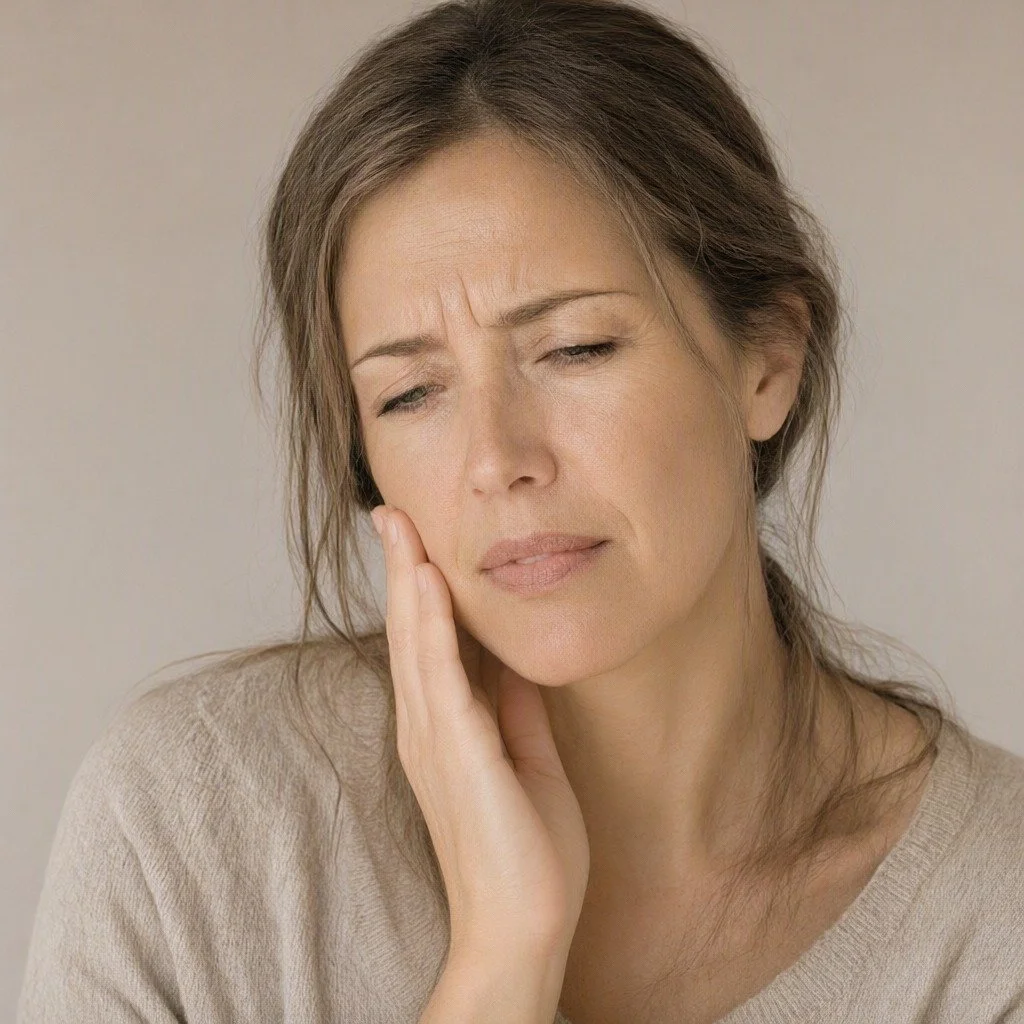
Jaw pain, headaches, or difficulty opening your mouth? You don't have to navigate it alone.
Jaw pain and dysfunction can affect much more than your ability to chew. They can interfere with talking, eating, sleeping, and everyday activities. When jaw symptoms persist, a comprehensive physical therapy approach may help address contributing muscle, joint, and movement-related factors.
At Natural Resilience Physical Therapy, Dr. Morgan Borkovec, PT, DPT, provides individualized, one-on-one care to help you better understand your symptoms, improve jaw function, and work toward the activities that matter to you.
What Are TMJ Disorders?
The temporomandibular joints (TMJs) connect your lower jaw to your skull and allow you to speak, chew, yawn, and move your mouth. Temporomandibular disorders (TMD) are conditions affecting these joints, the muscles responsible for jaw movement, or related structures.
Symptoms can have several contributing factors. For some people, the jaw is the primary concern. For others, symptoms may occur alongside neck pain, headaches, muscle tension, or changes in jaw movement.
A physical therapy evaluation can help determine whether musculoskeletal factors may be contributing to your symptoms and whether PT is an appropriate part of your care.
Could Physical Therapy Help Your Symptoms?
You may benefit from a TMJ physical therapy evaluation if you experience:
Jaw pain, tightness, or muscle tenderness
Pain or discomfort while chewing
Difficulty or pain when opening or closing your mouth
Restricted jaw movement or difficulty moving your jaw comfortably
Clicking or popping accompanied by pain or limited movement
Headaches associated with jaw or facial muscle symptoms
Neck pain or tension occurring alongside jaw symptoms
Facial muscle discomfort or tenderness
Jaw-related symptoms that interfere with eating, talking, or other daily activities
You do not need to have every symptom listed above to seek an evaluation. Your assessment will be individualized to your history, symptoms, and goals.
Working Alongside Your Dentist
Physical therapy can complement dental care when musculoskeletal factors contribute to jaw symptoms. Your dentist remains an important part of your care team, particularly when symptoms involve your bite, teeth, or other dental concerns.
Natural Resilience welcomes collaboration with dental providers when appropriate and authorized by the patient. If your symptoms suggest that additional dental or medical assessment is needed, we will discuss that with you.
Have a dentist who recommended physical therapy? You can contact Natural Resilience directly to schedule an evaluation. No referral is required to initiate care.
What to Expect at Your First Visit
Your initial visit is an opportunity to understand what you are experiencing and determine how physical therapy may help.
1. Discuss your symptoms and goals
We'll talk about your symptoms, when they occur, what makes them better or worse, and how they affect your daily activities.
2. Complete an individualized evaluation
Your assessment may include jaw movement and mobility, relevant muscle function, cervical spine movement, and other areas indicated by your history and symptoms.
3. Discuss your treatment options
We'll review the findings, explain which factors may be contributing to your symptoms, and discuss appropriate treatment options together.
4. Begin a personalized plan
When appropriate, your first visit may include treatment and practical strategies you can begin using between appointments. Your plan will reflect your needs, preferences, and goals.
You will receive one-on-one care with Dr. Morgan Borkovec, PT, DPT, with time for education, questions, and individualized treatment.
A Comprehensive Approach to TMJ Physical Therapy
Your jaw does not function in isolation. Your treatment may consider jaw mobility, facial and chewing muscles, neck movement, and other relevant factors identified during your evaluation.
Hands-On Manual Therapy
External and, when appropriate, intraoral manual therapy may be used to address muscle tenderness, tension, and mobility restrictions. Any intraoral treatment is discussed with you beforehand and performed only with your informed consent.
Cervical Spine Assessment and Treatment
Jaw symptoms can occur alongside neck pain or movement restrictions. When relevant to your presentation, your evaluation and treatment may include assessment of the cervical spine and associated musculature.
Dry Needling
Dry needling may be an option for selected patients when clinically appropriate. It can be incorporated into an individualized treatment plan to address relevant muscular symptoms. It is not necessary or appropriate for everyone.
Targeted Therapeutic Exercise
Exercises may help improve jaw mobility, coordination, movement control, and the ability to use your jaw comfortably during daily activities. Your program will be tailored to your presentation and adjusted as you progress.
Posture, Breathing, and Relaxation Strategies
When relevant, we may explore movement habits, breathing patterns, relaxation strategies, and other practical approaches to symptom management.
Education and Self-Management
Understanding your symptoms is an important part of treatment. You will have time to ask questions, learn strategies for managing symptoms, and develop a plan that fits your daily life.
Frequently Asked Questions
Do I need a referral from my dentist?
No referral is required to initiate physical therapy at Natural Resilience. If your dentist has recommended PT, you are welcome to contact us directly. We can also coordinate with your dental provider when appropriate and authorized by you.
Does TMJ physical therapy involve treatment inside my mouth?
It may, depending on your symptoms and examination findings. Intraoral manual therapy is one possible treatment technique, not a requirement. Your options will be discussed with you, and any intraoral treatment requires your informed consent.
Does every TMJ patient need dry needling?
No. Dry needling is an optional intervention that may be appropriate for some patients. Treatment decisions are based on your evaluation, clinical presentation, preferences, and goals.
How many visits will I need?
The number of visits varies depending on your symptoms, examination findings, response to treatment, and goals. After your evaluation, we will discuss an individualized plan and reassess your progress along the way.
Can physical therapy help if my jaw clicks?
Jaw clicking can occur for different reasons and does not always require treatment. If clicking occurs alongside pain, restricted movement, or difficulty with daily activities, an evaluation may help determine whether physical therapy is appropriate. PT cannot guarantee that clicking will stop, though reduced frequency and intensity of clicking can be seen with thorough physical therapy treatment.
Can I see a physical therapist and dentist at the same time?
Yes. Physical therapy and dental care may be complementary. Your care plan should account for your individual needs, and communication between providers can be helpful when appropriate.
Begin Your Journey Towards Better Health and Wellness Today.
Please do not submit detailed medical information using the general contact form above. You will be provided with a separate, secure intake form to provide such details as appropriate.